Buying guide · schools, hotels and hospitals
Choosing a weekly food supplier for your kitchen
A school, hotel or hospital kitchen can't run short on Monday morning, and it can't take a chance on food safety. Here's what to check before you sign up a supplier, and on every delivery.
Start with the paperwork
Ask every food supplier for these before the first delivery:
- A food hygiene licence for the premises where the food is handled. It runs to 31 December each year, and it can't be moved to other premises, so check the date and the address.
- Food handlers' medical certificates. Everyone who handles the food must be examined at least every 12 months.
- A county business permit. Check the current requirement with your county revenue and public health offices.
- Their KRA PIN, and how they'll invoice you (see eTIMS below).
Milk: who is allowed to supply it
Under the Dairy Industry Regulations 2021, a farmer may sell raw milk only to an immediate neighbour who collects it at the farm, and never in towns. Anyone else in the milk business needs:
- A county dairy business licence and a Kenya Dairy Board (KDB) regulatory permit, which must be displayed on the premises. Ask to see it and check that it covers the premises the milk comes from.
- Food-grade containers used only for milk, covered on the road. Milk for sale can't travel on a matatu unless it's packaged.
- Records: dairy businesses must keep records of their supply and quality, so ask how a batch can be traced.
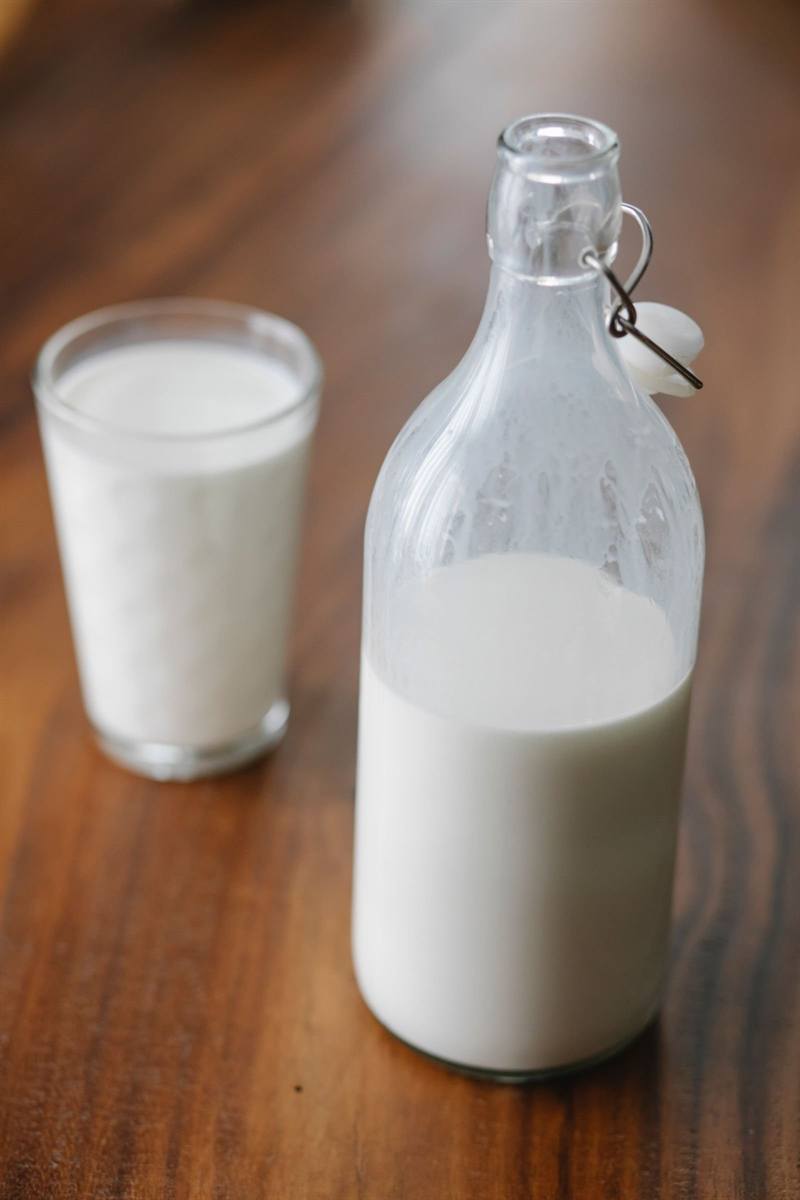
Milk bars may sell only pasteurised milk, and milk in dispensers must be kept at 4 to 7°C.
Chicken: where was it slaughtered?
Chickens count as meat animals under the Meat Control Act. Dressed chicken must come from a slaughterhouse, and poultry must be inspected before and after slaughter. Ask your supplier which slaughterhouse they use. Birds killed on a farm and delivered dressed don't meet the rules.
Eggs: size, grade and freshness
The East African standard for eggs (a 2023 draft) sets out what to expect:
| Size | Weight per egg |
|---|---|
| Extra large | More than 61 g |
| Large | 55 to 61 g |
| Medium | 48 to 54 g |
| Small | 41 to 47 g |
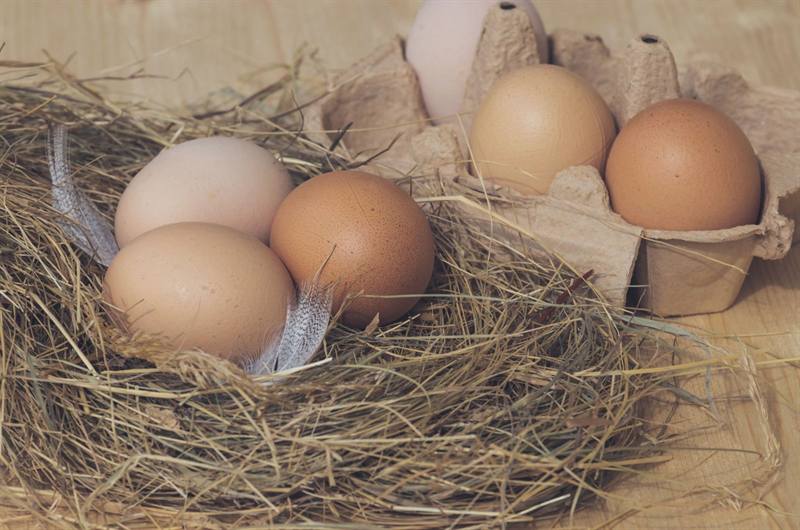
- Reject cracked, dirty, wet, mouldy or smelly eggs.
- Freshness: the standard allows eggs to be held up to 30 days at 15°C or below, but only 14 days between 15 and 25°C. In a warm Siaya kitchen, plan to use eggs within two weeks of laying.
- Ask for the packing date on each tray, and use the oldest trays first.
Invoices: make sure they're on eTIMS
Since 1 January 2024, KRA doesn't allow a business expense unless it's backed by an eTIMS invoice. That applies to your food purchases too.
- Most suppliers must issue you an eTIMS invoice themselves.
- For a small-scale farmer (annual turnover up to KSh 5 million), the buyer issues the invoice on the farmer's behalf through KRA's buyer-initiated invoicing on eCitizen or *222#. The farmer then accepts it within 30 days.
- Delivery notes and LPOs aren't required by law for private buyers, but they're good practice: they let you check quantities at the door and match every invoice.
Check every delivery at the door
- Count and weigh against your order and the delivery note before you sign.
- Chilled food should arrive cold. Germs multiply fastest between 5 and 60°C, so milk and fresh meat should be below 5°C on arrival. Use a probe thermometer.
- Look and smell: firm, crisp vegetables; clean, whole eggs; meat that smells fresh.
- Write it down: supplier, date, quantity and condition, for every delivery. If there's ever a problem, you can trace it.
- First in, first out: use older stock before new.
What makes a supplier reliable
From experience, beyond the paperwork:
- A fixed delivery day and an agreed weekly quantity, planned around your terms or seasons.
- A price agreed for a set period, so your budget holds.
- One person to call, and a plan for short supply: what they'll do if a delivery can't be made in full.
- A visit: go and see where your food comes from. A good supplier will be glad to show you.
Public schools and hospitals
Public institutions buy under the Public Procurement and Asset Disposal Act, which reserves at least 30% of procurement for businesses owned by women, youth and people with disabilities (AGPO). Kenya's school meals strategy also prefers buying directly from local farmers.
Weekly supply from our farm
We supply schools, hotels, hospitals and shops in Siaya from our own farm in Kirindo:
- A weekly quantity and price agreed up front.
- A fixed delivery or collection day.
- A delivery note with every drop, and an invoice and statement for your accounts. LPOs accepted.
Where this information comes from
Checked against these sources. Rules and schedules change, so confirm with the relevant office before you rely on them.
- Food, Drugs and Chemical Substances (Food Hygiene) Regulations (licence, medical checks)
- Ministry of Health: checklist for food hygiene licensing, 2023
- Kenya Dairy Board: Dairy Industry Regulations 2021 (raw milk, permits, transport)
- Kenya Dairy Board: licensing requirements
- Meat Control Act and the Poultry Meat Inspection Regulations (University of Embu copy)
- East African standard for edible chicken eggs in shell (draft, via WTO)
- KRA: what is eTIMS, and invoices for small-scale farmers
- KRA: buyer-initiated invoicing
- WHO: Five Keys to Safer Food manual (temperature danger zone)
- Public Procurement and Asset Disposal Act, 2015
- PPRA: Access to Government Procurement Opportunities (AGPO)
Need a weekly supplier in Siaya?
Tell us what your kitchen uses each week and your delivery day. We'll agree the quantity and price up front, with a delivery note at every drop.